Back to About
Return to the place-based overview of architecture, setting, and public identity.
Governors Lane did not become memorable because it followed an effortless script. It took changed plans, difficult early years, and decades of resident seriousness to preserve the original idea long enough for it to feel inevitable.
History is not ornamental here. It explains why the community still feels coherent today and why stewardship matters as much as the architecture itself.
What was once marketed as an idea became, over time, a community with memory.
The Governors Lane story begins with a change of course. In 1985, the land was first acquired with office-condominium development in mind, but neighborhood resistance to traffic reshaped the plan toward housing. Out of that turn came something far more distinctive than standard townhouse product: wooded Princeton land organized into formal courts, Georgian references, walled outdoor rooms, and homes meant to feel substantial rather than merely efficient.
Early coverage presented Governors Lane as a premium residential idea. Newspaper stories spoke about the 20-acre site, the unusual scale of the homes, and the classical design language. One period phrase, “classically modern,” survived because it described the original ambition exactly: old-world form carrying contemporary convenience.
The early years were not effortless. Pricing had to adjust. Financing structures shifted. Sales moved more slowly than optimism first assumed. That difficulty matters because it makes the community’s present form easier to respect. Places do not retain coherence for decades simply because they were launched with nice drawings and good copy.
The deeper story belongs to continuity. Boards, volunteers, residents, and management decisions kept the place intelligible. They preserved landscape, common elements, and an overall level of seriousness that still reads through the streetscape. That is why the right tone for Governors Lane is not nostalgia alone. It is gratitude mixed with responsibility.
The printed record gives Governors Lane a cultural texture that most community websites simply do not have.
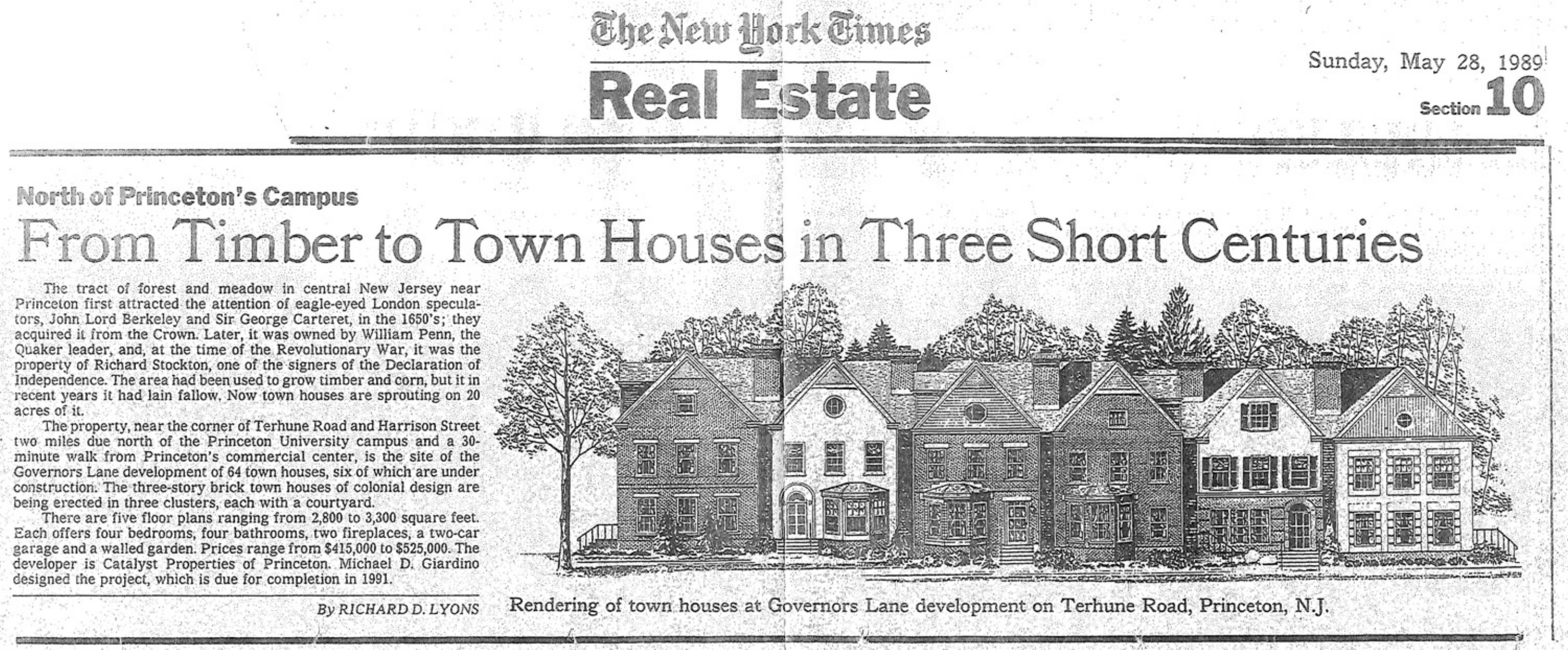
Even now, these pages convey unusual residential ambition: enclosure, privacy, architecture, and a promise that attached living could still feel dignified.
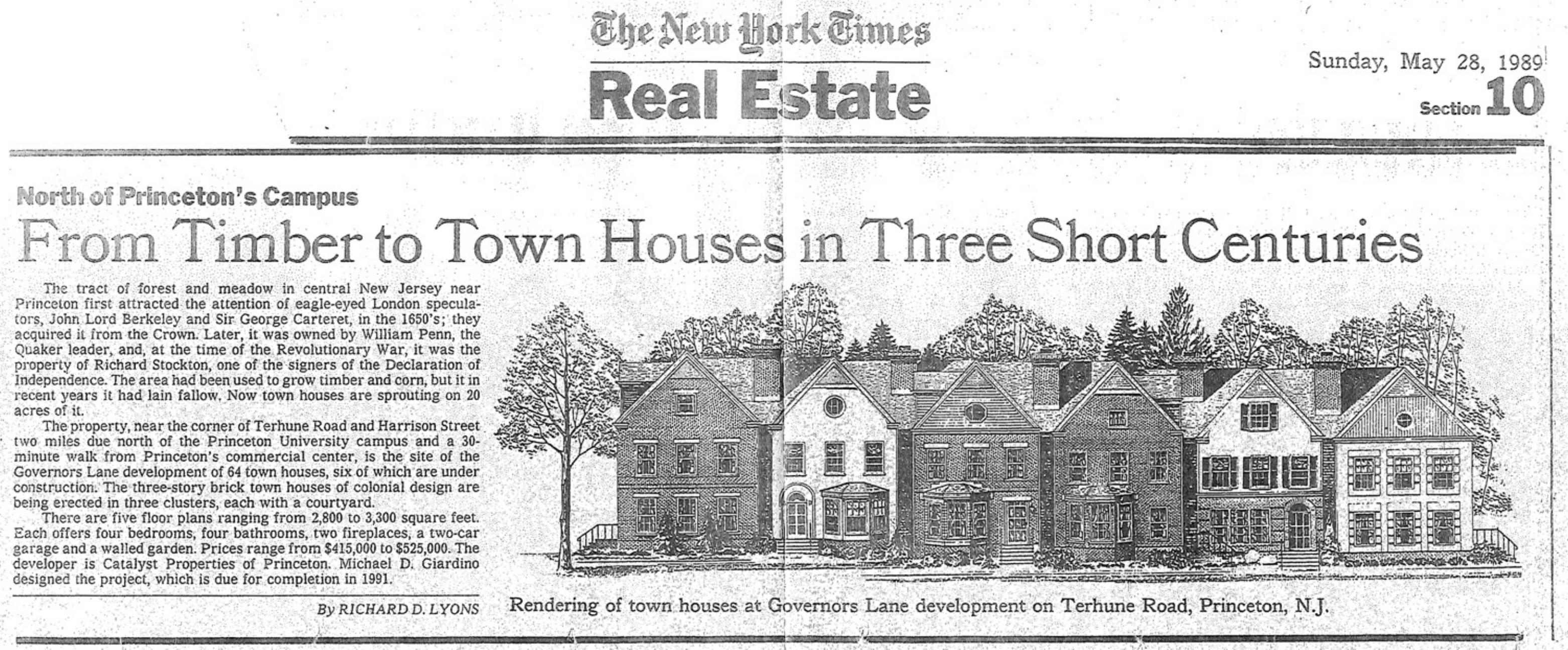
The project appears here as a serious Princeton proposition, not a generic development entry.
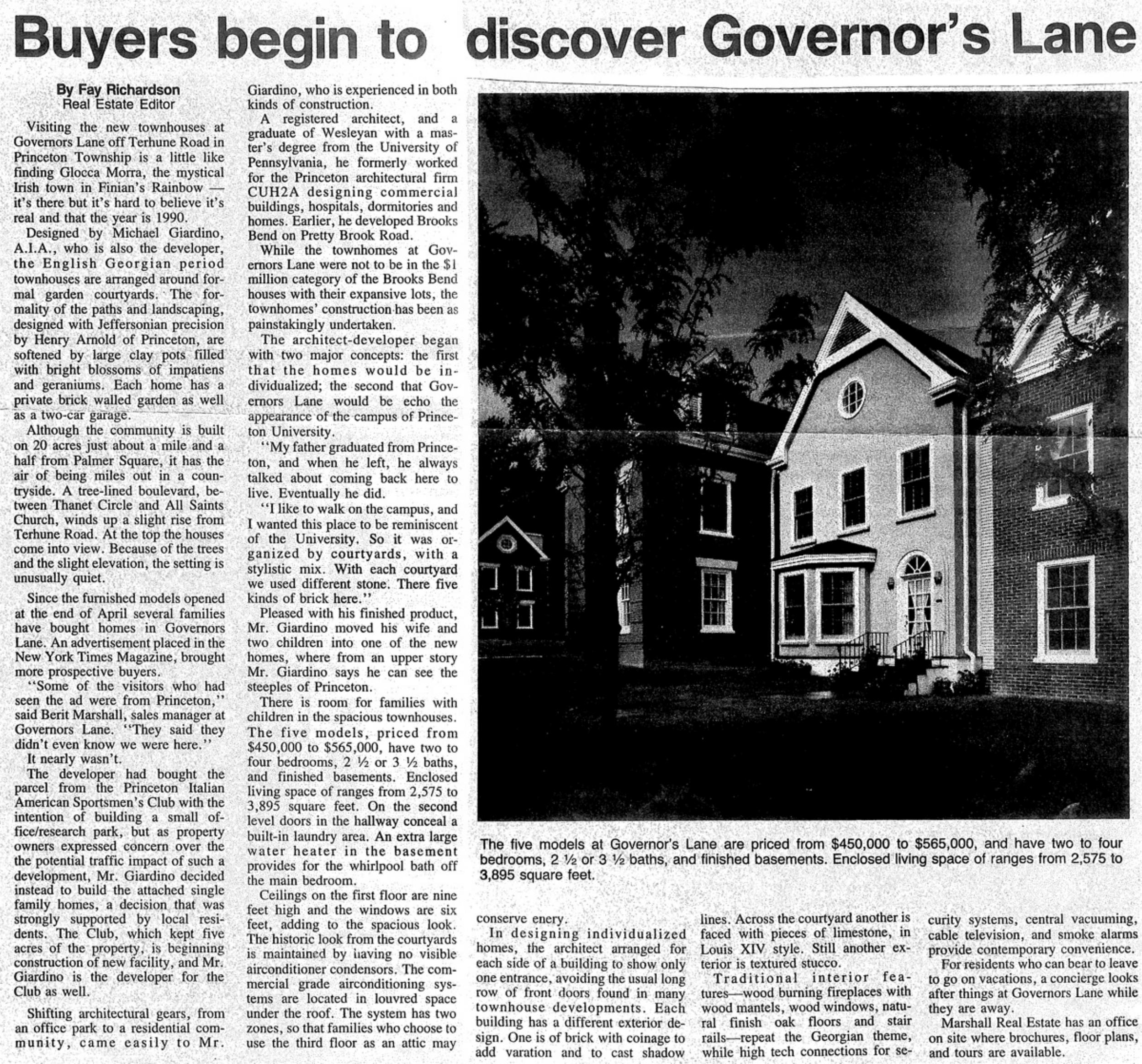
Jefferson-inspired planning and unusually generous homes were central to the original argument.
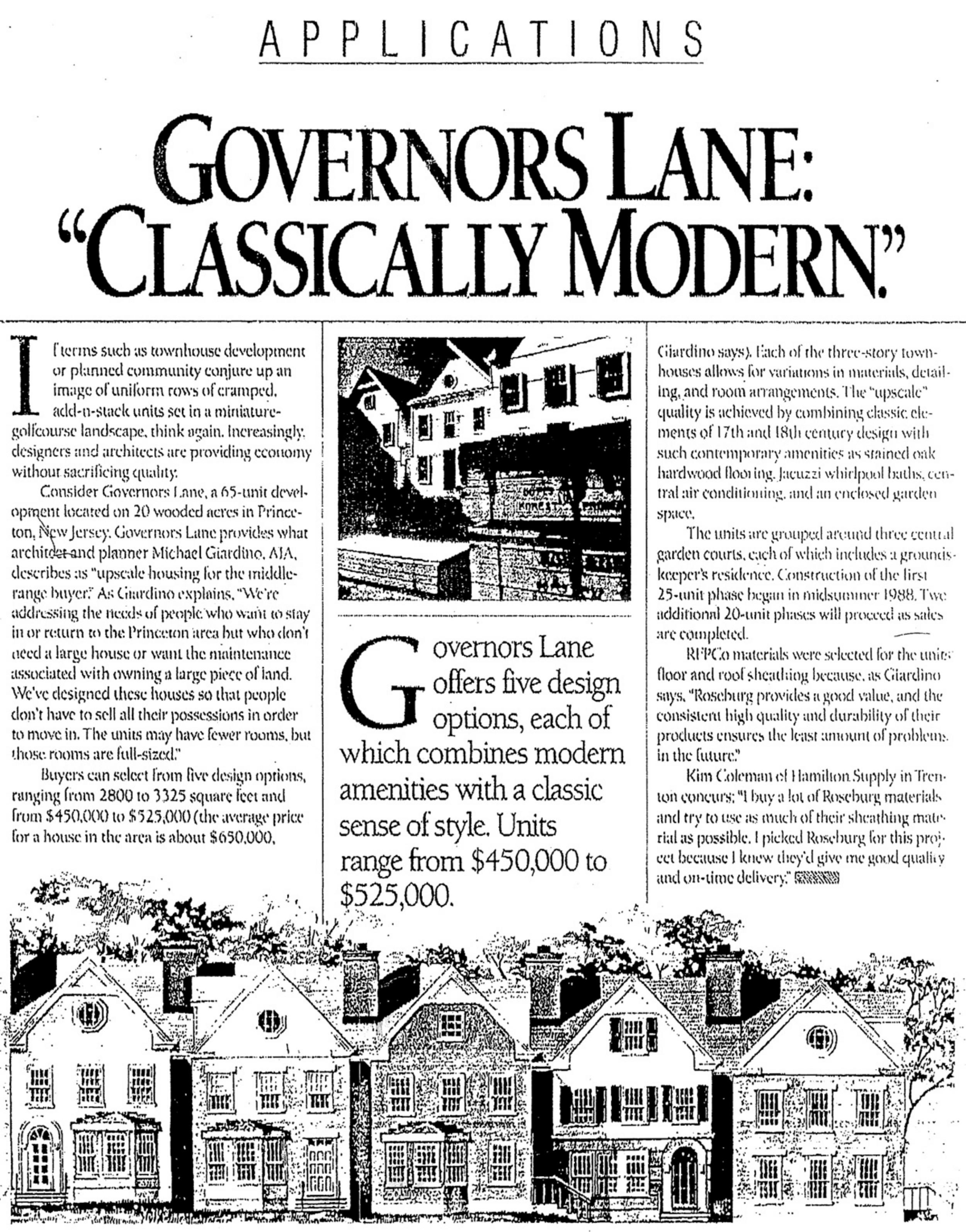
The phrase still anchors the tone of the site because it sounds precise rather than nostalgic.
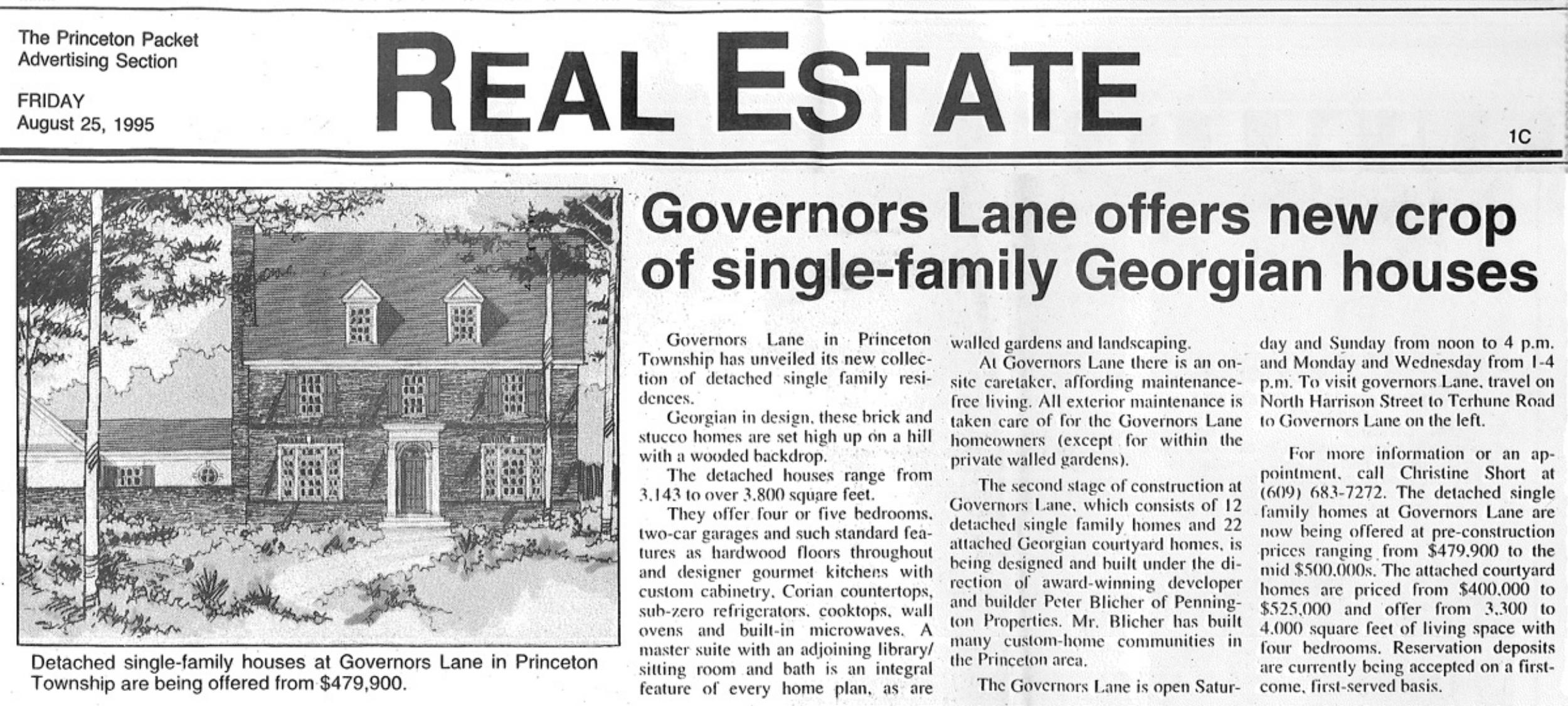
The residential mix evolved while the formal design seriousness largely stayed intact.
These preserved spreads help the site feel rooted, because the language of grace and proportion is not being invented retroactively.
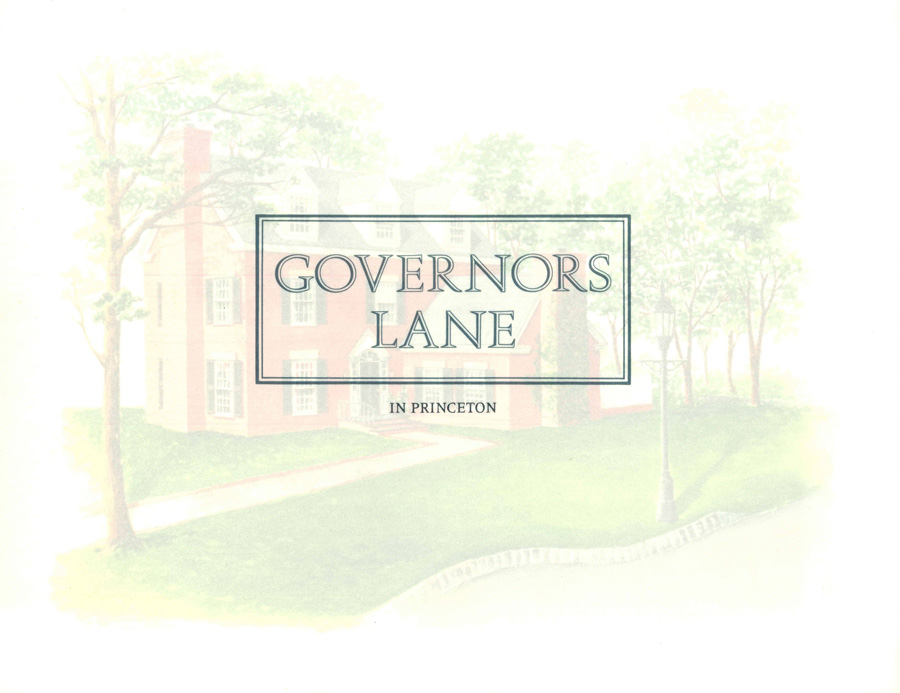
Formal, restrained, and unmistakably Princeton in tone.
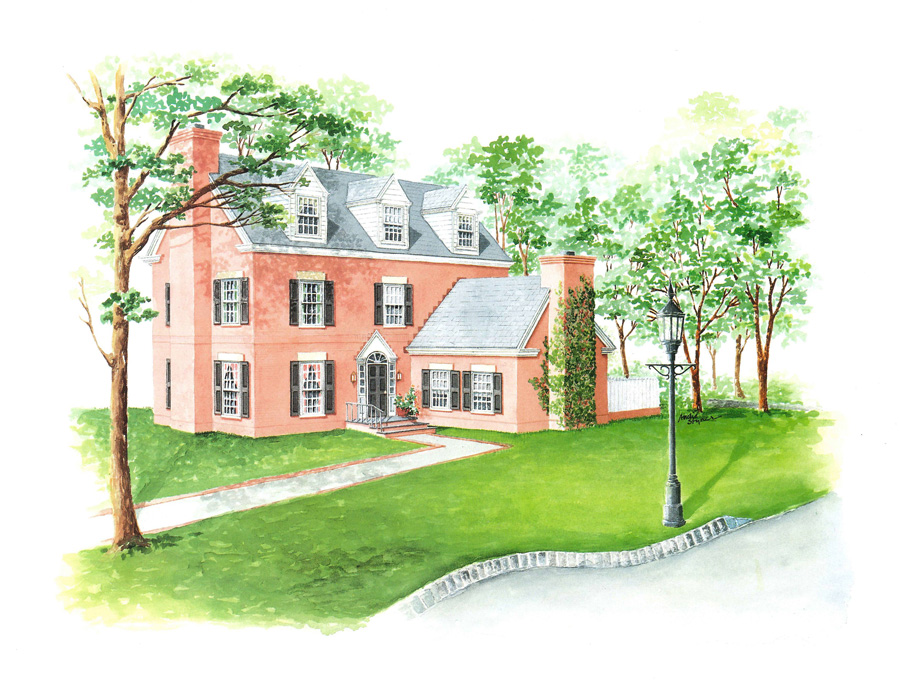
Woodland context and proximity to town were both central to the residential promise.
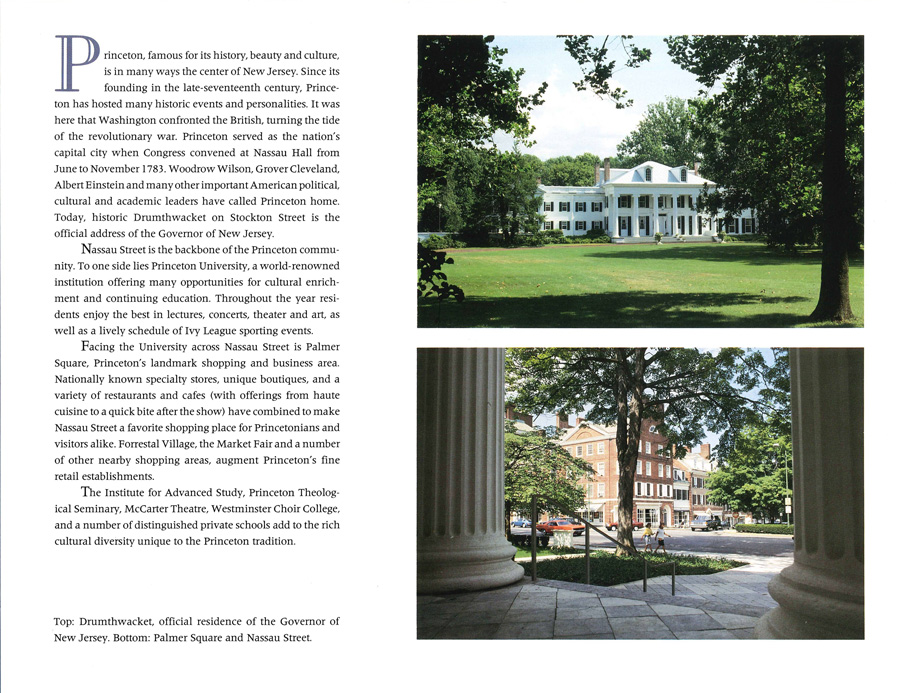
The original sales material already understood the value of courts, walls, and proportion.
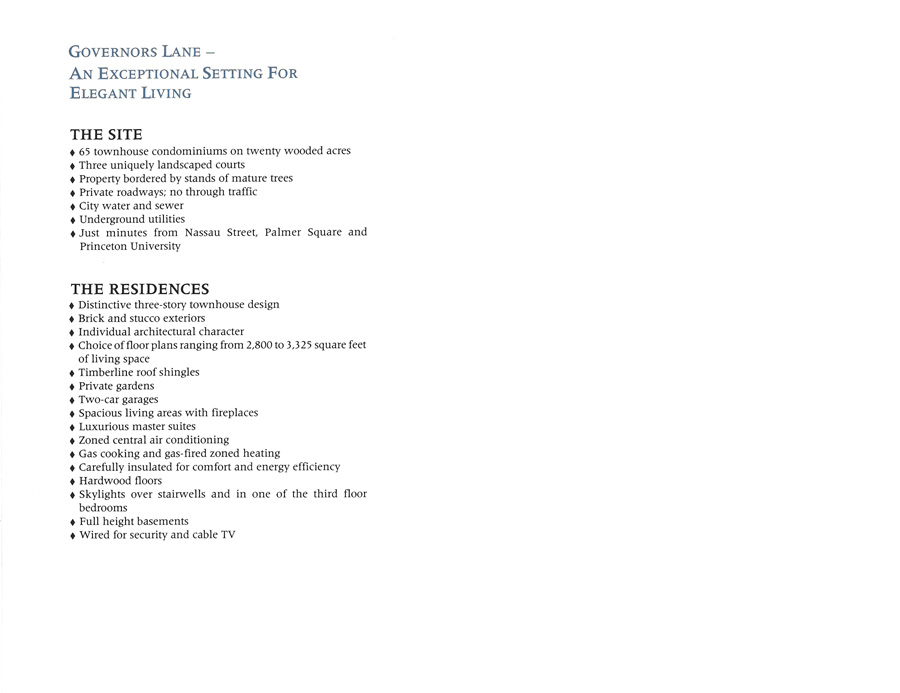
Much of what the brochure hoped for is exactly what later generations managed to preserve.
A few durable waypoints from land acquisition to the present community chapter.
The site entered planning with office-condominium expectations before pivoting toward housing.
Premium design ideas entered the market, then met the more demanding realities of absorption and pricing.
The community developed in stages, allowing its physical identity to settle over time.
The present form belongs to residents and boards who kept the place worth inheriting.
Governors Lane became memorable because enough people decided it was worth carrying forward.
The long community arcHistory gives the site its depth. The public and resident pages carry that same seriousness into present-day operations, governance, and archive access.
Return to the place-based overview of architecture, setting, and public identity.
Find calendars, management contacts, forms, and homeowner guidance.
Search minutes, policies, and other official records in the protected archive.